
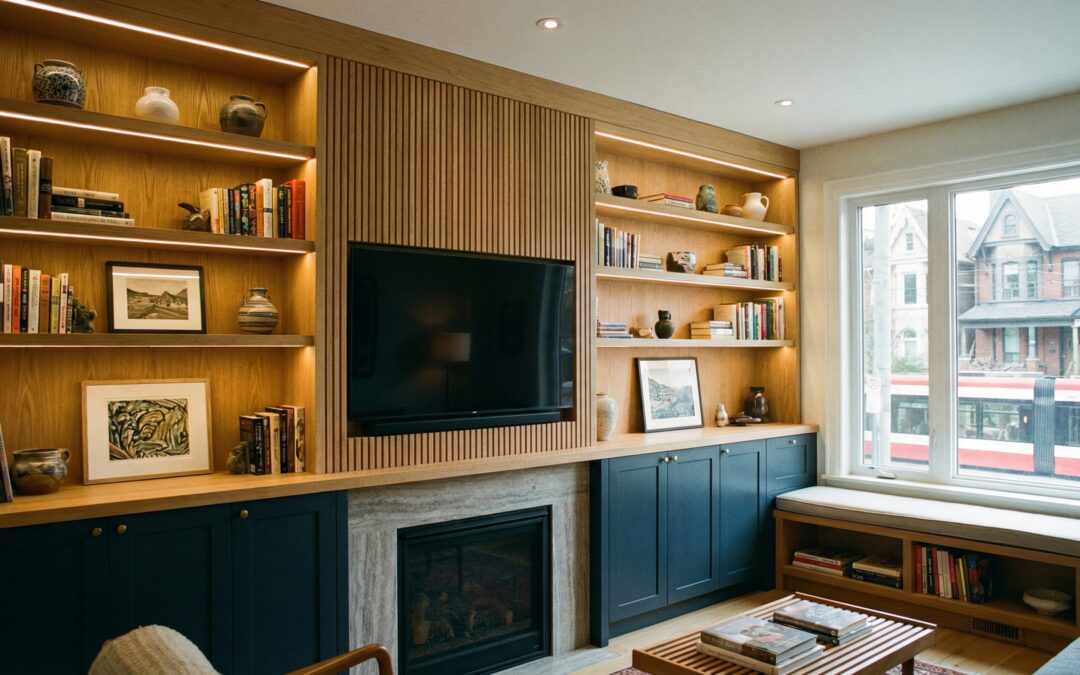
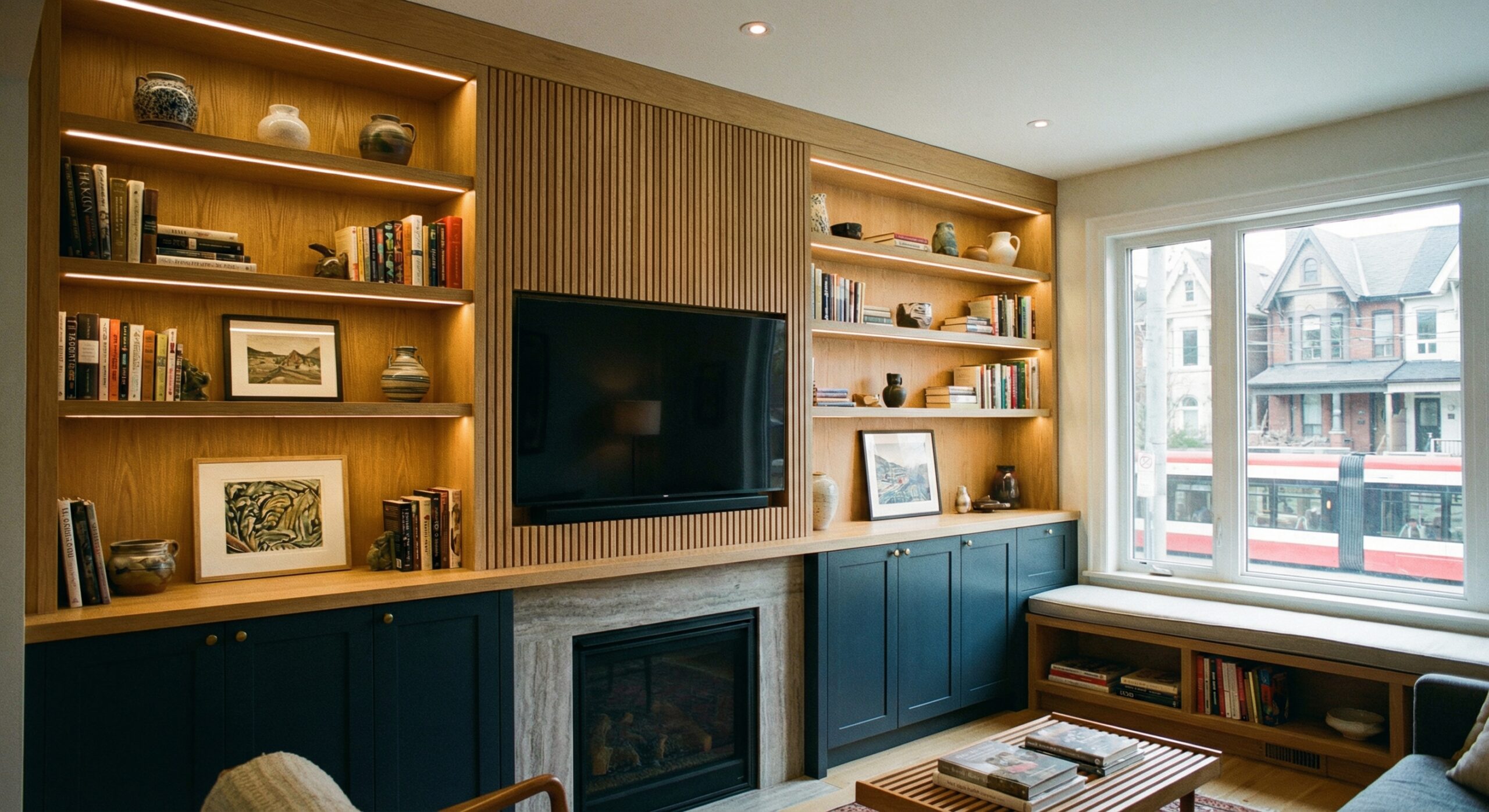
Custom millwork is one of the most reliable ways to make a Toronto space feel intentional, usable, and built to last.
From century homes with out-of-square walls to high-traffic hospitality and retail interiors, the details matter. A good millwork partner helps you plan the layout, select materials that perform well, and install everything so doors close cleanly and reveals stay consistent.
If you’re comparing options for a renovation, a new build, or a commercial refresh, this guide walks through what to expect when you invest in custom millwork in Toronto.
The Practical Benefits of Tailored Woodwork
Toronto properties rarely follow “standard” assumptions. Older homes often have uneven floors, settled framing, and tight corners that make off-the-shelf solutions look awkward or waste space. Commercial interiors come with different constraints, including durability requirements and coordination with other trades.
How custom millwork solves real Toronto fit problems
- Precision engineering for tricky dimensions ensures cabinetry, wall units, and shelving align to the actual site conditions. That matters in older Toronto homes where a perfect 90-degree corner can be the exception, not the rule.
- High-quality materials improve long-term durability compared with mass-produced alternatives. Solid hardwoods and well-built veneer work can handle everyday use, refinishing, and repair.
- Designs can match neighborhood architecture so new work feels like it belongs. That might mean clean modern slab fronts for a condo, or more traditional detailing for older homes that already have heritage trim lines.
If you want a deeper overview of what professional millwork can include, RFP’s guide on millwork design ideas is a helpful starting point.
Selecting Sustainable Materials for Long-Term Use
Material choice is where projects either stay beautiful for years or start to show wear quickly. In Toronto, that wear might come from winter moisture swings, heavy household traffic, or the constant use that restaurants and retail spaces experience.
- Local sourcing reduces impact and supports the region while often improving schedule reliability. When lead times tighten, local supply chains can make a real difference.
- Walnut and white oak age gracefully, and they both offer grain patterns that look better over time instead of looking dated. White oak is known for its strength and traditional use in durable applications, while walnut is prized for its rich colour and character. For a quick primer on these species, see this reference on white oak and walnut.
- Finishing protects what you build. The right topcoat and prep process helps resist scratches, spills, and the day-to-day cleaning that happens in high-traffic residential and commercial settings.
For clients who want sustainability to be measurable, specifying certified wood can help. FSC’s chain-of-custody certification explains how certified forest-based materials are tracked through the supply chain. See FSC Chain of Custody certification for details.
From Concept to Final Installation
Good millwork tends to follow a consistent workflow. You start with clear goals, move into accurate drawings, and then build with enough precision that installation feels predictable instead of chaotic.
- Collaborative planning helps you define how you’ll actually use the space, including integrated lighting, hidden storage, cable management, appliance clearances, or display needs.
- Technical drawings reduce fabrication errors by locking dimensions, materials, and installation details before anything hits the shop floor.
- Professional installation finishes the job. The final fit is where reveals, door swings, hardware alignment, and overall “feel” get decided.
If your project includes complex built-ins, bars, wall cladding, or other architectural elements, it helps to review what installation involves ahead of time. RFP outlines practical considerations on its millwork installation page.
Project Spotlight: Cherrys High Dive – 488 Wellington
For a real example of custom millwork performance in a demanding environment, see RFP Design Group’s work at Cherrys High Dive in Toronto.
Challenge: The space needed millwork and architectural features that matched an industrial-meets-luxury look, while still holding up to heavy nightly traffic. The project also required aligning new fabricated elements with the existing structure so the final result looked intentional rather than “added on.”
Solution: RFP fabricated and installed key millwork elements including custom red oak veneer bar counters with brushed bronze accents, a feature wall with shelving that includes LED-lit liquor displays, and privacy screens designed to match the aesthetic. The team also addressed durability with protective coatings and reinforced substrates, then used CNC precision cutting and modular installation techniques to keep fit and alignment tight.
When clients ask why custom millwork costs more than standard products, this is a good example of what that investment buys. It supports the design intent while keeping the space functional and maintainable.
Planning Notes for Toronto Homes and Commercial Interiors
Toronto projects often include constraints that don’t show up in a moodboard. Condo elevator bookings, narrow staircases, heritage details, and coordination with electrical and plumbing all affect the best approach.
Custom millwork details that make projects smoother
- Site-ready decisions such as confirming power locations for lighting, appliance specs, and wall conditions before fabrication begins.
- Finish sampling so stain, paint, sheen, and grain direction are confirmed early, especially when you’re matching existing elements.
- Hardware selection based on use. Soft-close hinges, heavy-duty drawer slides, and commercial-grade pulls matter when the space gets used hard.
Commercial projects also need to keep an eye on interior finish requirements. Ontario’s Building Code includes provisions that permit combustible millwork in some noncombustible buildings, which is one reason coordination and material selection need to be handled professionally. For reference, see Ontario’s Building Code regulation sections on combustible millwork.
FAQ
How long does a custom millwork project usually take?
Most projects require six to twelve weeks for completion depending on the complexity of the design and the availability of specific materials.
Can custom cabinetry be designed for small urban condos?
Tailored millwork works exceptionally well in smaller spaces because it utilizes every inch of available square footage for storage and organization.
What determines the cost of a millwork project?
Pricing depends on the choice of wood species, the intricacy of the joinery, and the total volume of materials required for the build.
Ready to Start a Custom Millwork Quote in Toronto?
If you’re planning custom millwork for a home renovation, a restaurant build-out, a retail interior, or an office upgrade, the next step is to share your rough dimensions, inspiration images, and timeline. From there, you can confirm scope, materials, and the right installation plan for your space.
Contact RFP Design Group to discuss your custom millwork project.